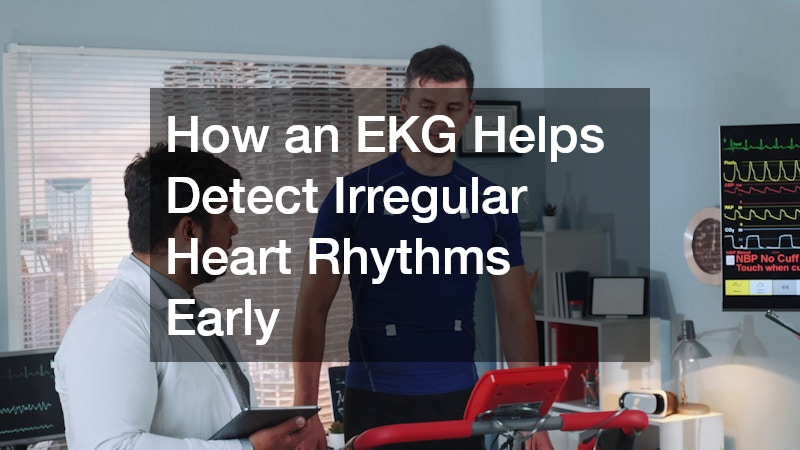
Heart health plays a major role in overall wellness, and identifying problems early can make a significant difference in treatment outcomes. One of the most effective tools for evaluating heart activity is an EKG. Short for electrocardiogram, an EKG records the electrical signals produced by the heart. This simple and noninvasive test helps healthcare providers identify abnormal heart rhythms before they become more serious.
Irregular heart rhythms, also known as arrhythmias, may develop without noticeable symptoms in the early stages. An EKG provides valuable information that can help detect these issues quickly, allowing patients to receive appropriate care and monitoring.
What an EKG Measures
An EKG measures the electrical impulses that control heartbeats. Each heartbeat is triggered by an electrical signal that travels through the heart muscle. These signals help the heart contract in a steady rhythm and maintain proper blood circulation throughout the body.
During an EKG test, small adhesive electrodes are placed on the chest, arms, and legs. These electrodes detect the heart’s electrical activity and create a visual recording that healthcare providers can analyze. The test itself is painless and usually takes only a few minutes to complete.
The information gathered during an EKG can reveal whether the heart is beating too quickly, too slowly, or irregularly. It can also show signs of previous heart damage or stress on the heart muscle.
Understanding Irregular Heart Rhythms
An irregular heart rhythm occurs when the heart’s electrical signals do not function normally. Some arrhythmias are harmless, while others may increase the risk of serious complications such as stroke, heart failure, or cardiac arrest.
Common types of irregular heart rhythms include:
- Atrial fibrillation, which causes rapid and irregular beating in the upper chambers of the heart
- Bradycardia, which refers to a heart rate that is slower than normal
- Tachycardia, which occurs when the heart beats too quickly
- Premature heartbeats that disrupt the normal rhythm pattern
Some people experience symptoms such as dizziness, chest discomfort, fatigue, or heart palpitations. However, others may not notice any warning signs at all. This is why routine testing with an EKG can be so valuable.
Why Early Detection Matters
Detecting irregular heart rhythms early allows healthcare providers to intervene before complications develop. In many cases, early treatment can reduce the risk of long-term damage and improve quality of life.
For example, atrial fibrillation can increase the risk of blood clots and stroke if left untreated. An EKG can identify this condition even when symptoms are mild or absent. Once detected, treatment options such as medications, lifestyle changes, or medical procedures may help manage the condition effectively.
Early diagnosis also helps providers monitor patients who may already have risk factors for heart disease. Individuals with high blood pressure, diabetes, obesity, or a family history of cardiac conditions may benefit from regular heart screenings.
Situations Where an EKG May Be Recommended
Healthcare providers may recommend an EKG for a variety of reasons. The test is commonly used when patients report symptoms that could indicate a heart rhythm problem.
Situations that may lead to an EKG include:
- Chest pain or pressure
- Shortness of breath
- Heart palpitations
- Fainting or dizziness
- Fatigue without a clear cause
- Monitoring an existing heart condition
- Evaluating heart health before surgery
Athletes and older adults may also undergo an EKG as part of preventive care. In some cases, healthcare providers use EKG testing to monitor how medications affect the heart rhythm.
The Benefits of an EKG
An EKG offers several important benefits for patients and healthcare providers alike. One of the biggest advantages is that the test is fast, painless, and widely available. Results can often be reviewed immediately, helping providers make timely decisions about further testing or treatment.
Another major benefit is the ability to detect hidden abnormalities. Some irregular heart rhythms occur intermittently and may not cause noticeable symptoms right away. An EKG can help identify patterns that suggest underlying heart issues.
Because the test is noninvasive, it can be repeated as needed to monitor changes over time. This makes it a useful tool for both diagnosis and ongoing management of heart conditions.
Additional Testing After an EKG
While an EKG provides valuable information, it is sometimes only the first step in evaluating heart rhythm concerns. If irregularities are detected, additional tests may be recommended.
These may include:
- A Holter monitor, which records heart activity over 24 to 48 hours
- An event monitor for tracking occasional symptoms
- Stress testing to evaluate heart function during exercise
- Echocardiograms to examine heart structure and movement
Together, these tests can provide a more complete picture of heart health and help determine the most effective treatment plan.
Supporting Long-Term Heart Health
An EKG is an important tool for protecting long-term cardiovascular health. By identifying abnormal heart rhythms early, healthcare providers can recommend treatments and lifestyle adjustments that may reduce future risks.
Healthy habits such as regular exercise, balanced nutrition, stress management, and avoiding tobacco use also play an important role in maintaining a healthy heart. Routine checkups and screenings help ensure that any changes in heart function are addressed promptly.
Patients who understand the value of preventive care are often better equipped to take an active role in their health and wellness.
Schedule an EKG Evaluation Today
If you are experiencing symptoms such as palpitations, dizziness, chest discomfort, or unexplained fatigue, an EKG may help identify the cause early. Routine heart screenings can provide peace of mind and support proactive care. Contact a trusted healthcare provider today to learn more about EKG testing and how it can help protect your heart health for the future.